
Adorn Me
on body modification

My reward to myself last week was a new piercing. At this point the staff at Studs in New Orleans knows me by name. I don’t know what it is about the sensation, the pain, the glory of a new adornment that feels uniquely satisfying. I have long been fascinated by the practice of body modification and all the different shapes it can take. From tattoos to body building to piercings to hair dye to accessories. The way each person chooses their design, the placement, the shape and size, is individual to how they want to show up in their body. When I finally save up to get fresh ink (that I have been dreaming up for months if not years) I receive deep, visceral pleasure from not only the outcome, but the process of its inscription.
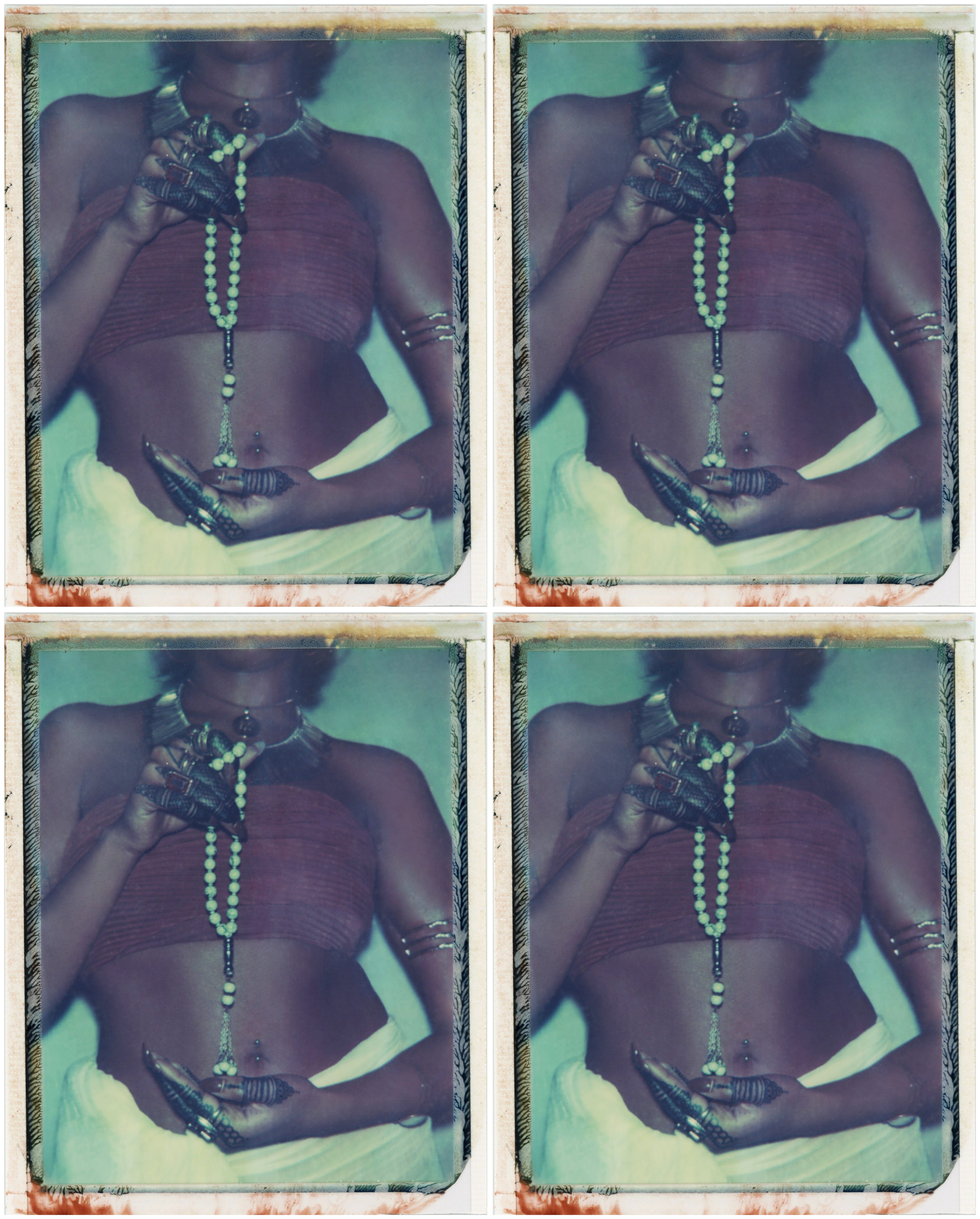
I got my first tattoo as a present to myself for my 21st birthday when I was living in Cape Town. The perfectionist in me toiled over the design for ages until I finally ripped off the bandage and allowed myself to go through with it. After it was over, I couldn’t stop staring at it, the way the ink nestled within the crevices of my skin, the itchiness as it healed, the shedding before it settled and became a forever part of the story of my body. In a weird way it helped me take my body less seriously, as in it gave me the permission to create my body, the freedom to change, shift and transform. All of which happens inevitably with age or exercise or an accident that changes how our body looks or what it can do.
As a burn survivor, I am no stranger to the changing nature of skin. I call it my fire tattoo. The scar wraps around my left arm and snakes its way down my torso with remnants spotted on my left thigh. I have no memory of my body before. I usually forget it’s there until I catch someone staring. In an effort to achieve my own body symmetry, designing my tattoo sleeve on my right arm and down my right torso restores a balance. I said this once to a guy I was on a date with and he looked at me with pitiful eyes, responding, “You don’t have to do that to feel balanced.” Cringe. I don’t change my body because I hate it, I change it to reflect outwardly what has shifted inwardly.
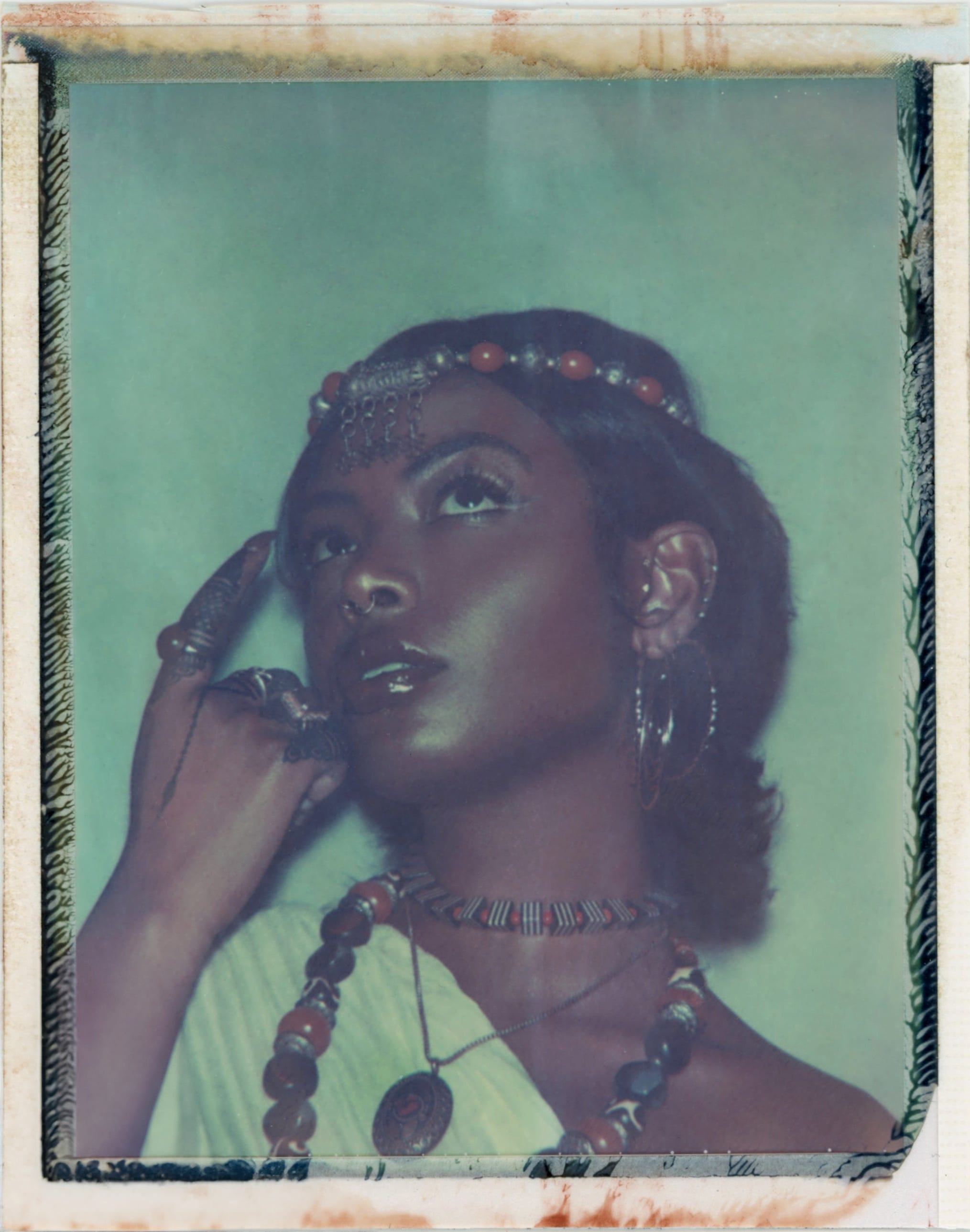
From the Bedouin tribes of the Middle East to the Beja people of Sudan to indigenous Australian Aborigines to Central American Mayan communities, body modification is an ancient, ancestral practice. Archaeological findings from mummified bodies that lived over 12,000 years ago in East Africa show signs of facial piercings. In anthropology, the skin is seen as a symbol of the boundary between the self and the environment. Any modification of a human's outer physical appearance may, in a non-verbal way, convey indications, signals and messages to those who understand their meaning.
I am thinking of my aunt Nada and the blue hue of her tattooed bottom lip, known as ''duqq-al-shallufa'’, a pre-colonial ritual for brides in Sudan. I am thinking of my grandmother Haja Mustagema and the scars marking her cheeks, known as “shulukh”, a beautification practice that has already been phased out. Today, you will only see women in their 70s and up with the notable facial modifications, marking their tribe, their generation, and what was deemed “beautiful” by their community. I am also thinking about the sheer pageantry and opulence embedded in the traditions of Sudanese women and femmes. The ones who smell of bergamot, whose bangles create their own melody, who decorate themselves in ornate hues and drip in gold adornments swaying as they adjust their thob. Gold that is enshrined and inherited through generations.
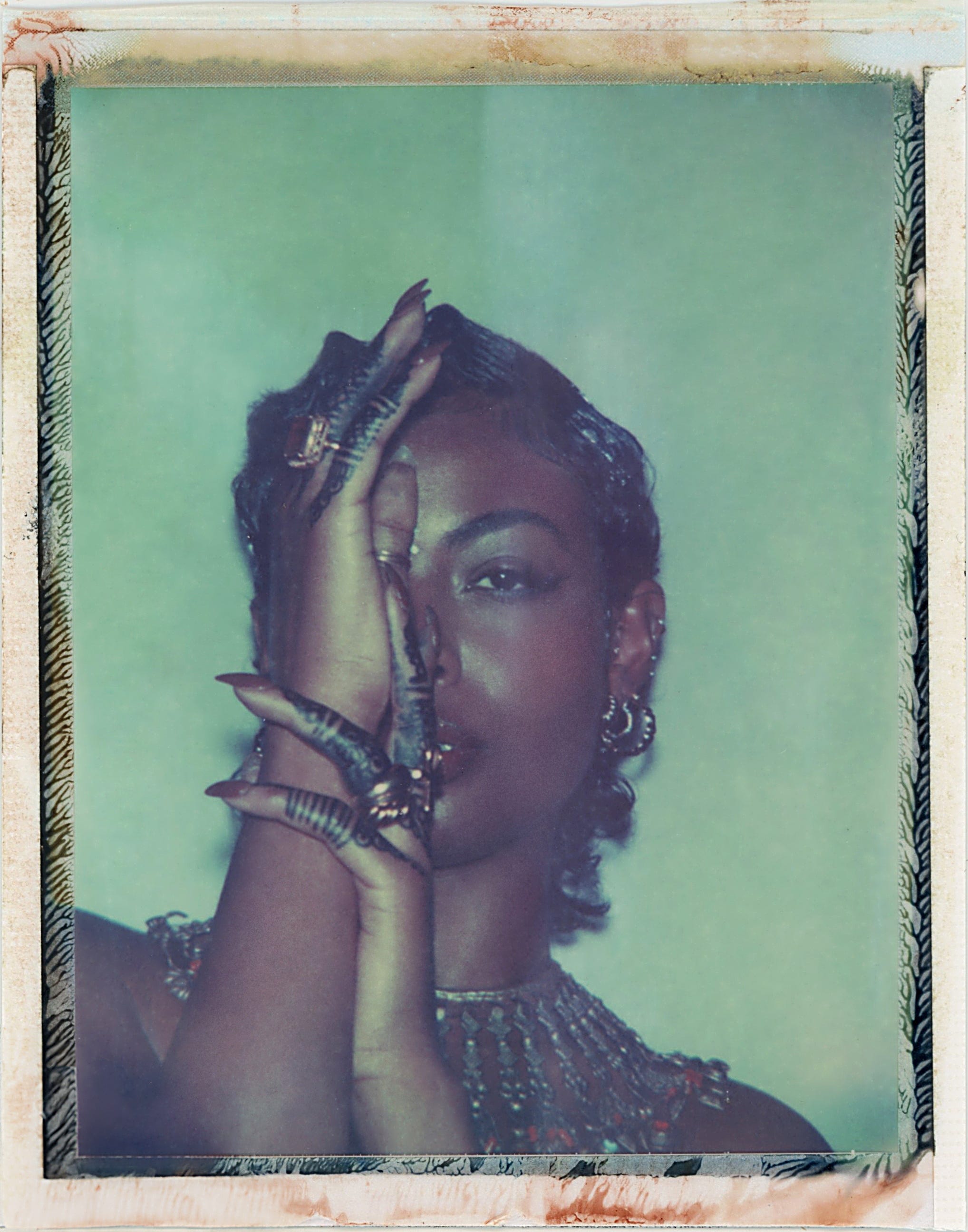
I remember a few years ago I was heading out to a tattoo appointment. I was buzzing with excitement, chatting with my roommate as I slipped on my shoes. She kept doing this thing where she would insert snarky comments about tattoos, how she couldn’t understand why someone would pay to be scarred. Right before I step out of the apartment, she pokes her head up and screeches, “Have fun mutilating yourself!” the door slamming behind her. I stood stuck in my anger, seething. An upsetness that took me by surprise.
Now I can understand this reaction as a protest against anyone who judges what I chose to do with my body. My body, my choice is more than a political mantra. For any one with a uterus, this is personal, it's about consent, autonomy and the right to choose what happens to your body. The power to design my body is an empowering act of reclaiming agency over this vessel. In hindsight, I was compelled to get my first tattoo after my sexual assault. While I didn’t have the consciousness at the time to make the connection, research shows that tattooing is a common healing practice for survivors of bodily trauma.
My pull toward the ritual of tattooing connects me with the indigenous practices of my ancestors, my spirits, and my land. It is here, through my body, that I can tap into a remembering, a modern incarnation of the ancient. How do you like to decorate yourself? What do you gain from the practice of changing your body? What is your final form?
mashallah, your words have the power to ignite cells and emotions long forgotten. thank you for your words 🌷